COVID-19 and Ongoing Variants
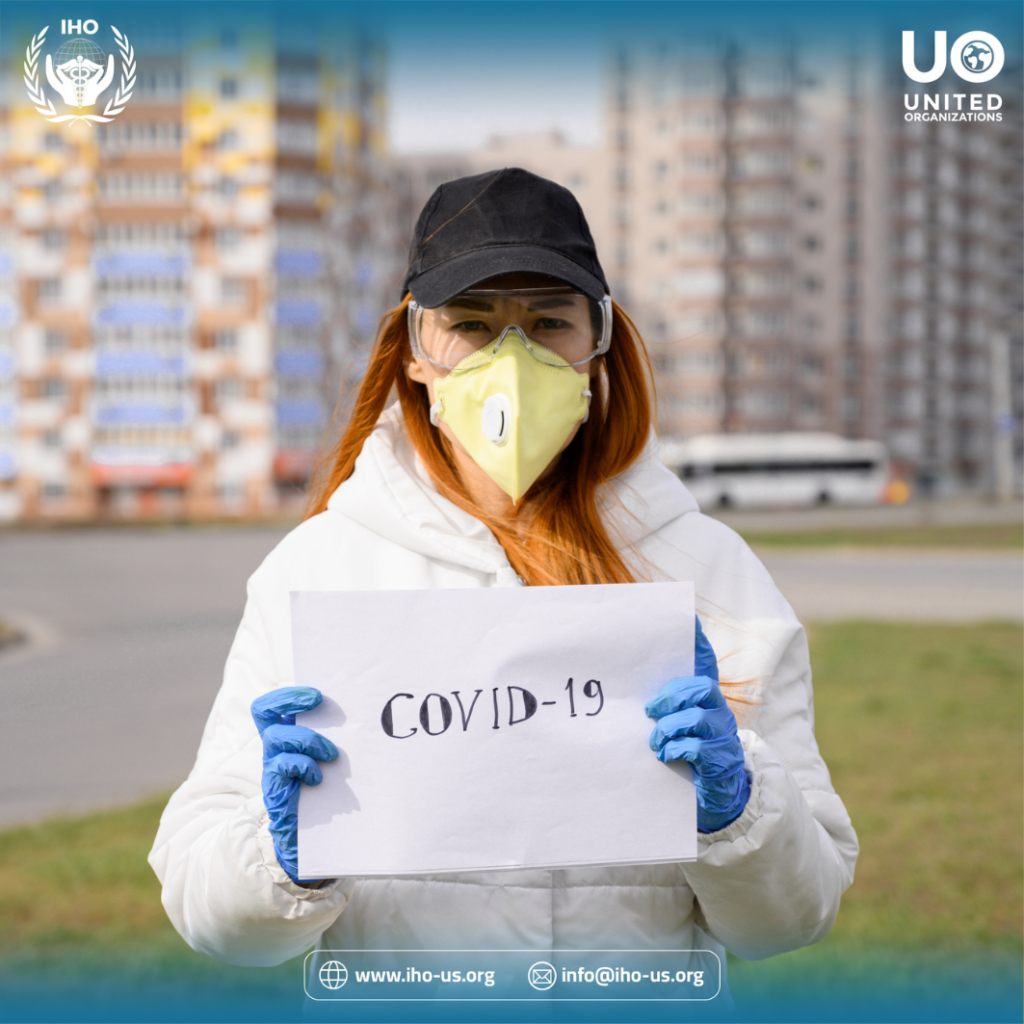
The SARS-CoV-2 virus that causes COVID-19 continues to evolve, producing new variants with each replication cycle. These mutations occur naturally in RNA viruses and may contribute to changes in transmissibility, immune escape, and even vaccine effectiveness.
After prominent variants such as Delta and Omicron, a new sub-lineage within the Omicron family emerged in 2025, known as NB.1.8.1, sometimes informally referred to as “Nimbus.”
The New Variant NB.1.8.1: What Is It?
NB.1.8.1 is a variant belonging to the Omicron lineage and is a descendant of the JN.1 sub-lineage that appeared in early 2025.
Global Spread:
- NB.1.8.1 has been detected in more than 20 countries, including the United States, China, the United Kingdom, and India.
- It has contributed to increased case numbers in some countries, particularly in Asia, and has also been identified through screening of travelers arriving at airports.
Epidemiological Behavior:
- This variant is classified by the World Health Organization (WHO) as a “Variant Under Monitoring” (VUM), meaning it requires close observation but is not currently considered a Variant of Concern associated with increased disease severity.
- Laboratory studies indicate that NB.1.8.1 shows a higher ability to bind to human cells compared with some previous variants, using the spike protein to enter cells.
Clinical Severity:
- Current evidence suggests that the disease caused by this variant is not more severe than illness caused by other Omicron sub-variants or by common seasonal respiratory viruses.
Symptoms:
Reported symptoms generally resemble those of classic COVID-19, including cough, fever, fatigue, sore throat, and loss of smell or taste. There have been informal reports of a pronounced sore throat described as “severe throat pain,” but this finding has not yet been scientifically confirmed.
Contemporary Challenges with Emerging Variants
Rapid Transmission and Accumulation of Spike Mutations:
Variants such as NB.1.8.1 continue to acquire changes in the spike protein, the primary immune target of vaccines. Some of these mutations may increase the virus’s ability to enter human cells.
Declining Acquired Immunity:
Recent studies have shown that immunity from prior vaccination or past infection may be reduced against some newer variants, leading to more reinfections or mild breakthrough infections, even among vaccinated individuals.
Weakening Surveillance Systems:
Reports indicate a significant global decline in case testing and genomic sequencing, making early detection and tracking of emerging variants more difficult in many countries.
Recent Recommendations from Experts and Health Organizations
-
Vaccination and Regular Updates:
- Updated seasonal vaccines (such as the 2025–26 formulations) are designed to target newer variants and remain effective in reducing severe disease and mortality.
- Older adults and immunocompromised individuals are advised to receive additional booster doses when available.
-
Testing and Genomic Surveillance:
- Strengthening surveillance and genomic sequencing programs in laboratories is essential to detect new variants early, even before they spread globally.
-
Integration with Seasonal Disease Surveillance:
- The WHO recommends integrating COVID-19 surveillance with routine monitoring systems for influenza and other respiratory illnesses.
-
4. Public Health Measures:
- Wearing masks in crowded settings, especially during case surges.
- Regular handwashing and covering the nose and mouth when coughing.
- Isolating when symptoms appear or when infection is confirmed.
These basic measures remain effective even as the virus evolves.
-
5. Accurate Community Awareness:
- Combating misinformation about the virus and vaccines and providing reliable, evidence-based information from trusted sources is crucial to maintaining public trust in public health.
The International Health Organization emphasizes special attention to the health of older adults. Natural therapies can play an important supportive role in strengthening immunity and improving quality of life, especially during periods of widespread viral circulation such as COVID-19.
Balanced nutrition, medicinal herbs, vitamins, and psychological well-being are essential elements in enhancing the body’s resilience and ability to cope. Prevention and daily care remain the first line of defense in protecting the health of our elderly loved ones.