Children’s Mental Health in Times of Crises and Wars
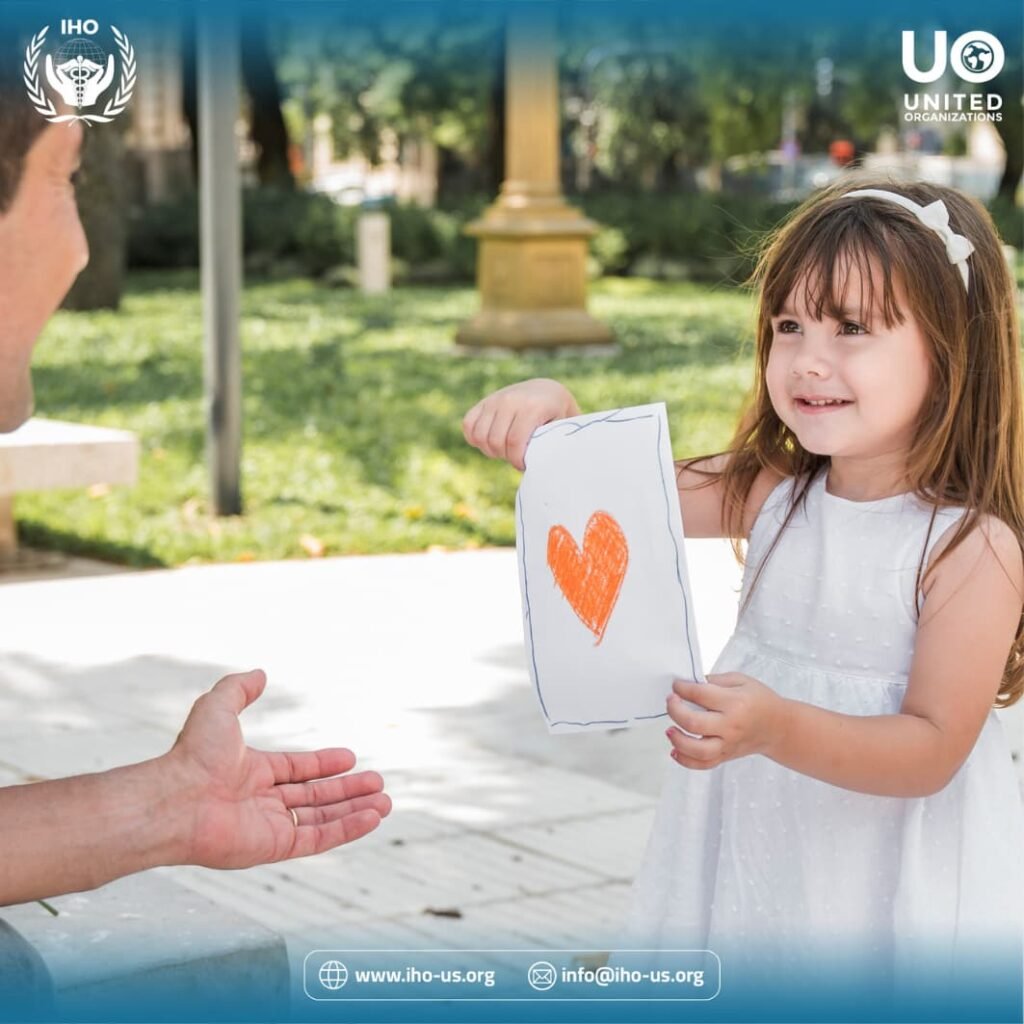
The greatest investment is investing in children. Children’s mental health is one of the fundamental issues that plays a vital role in building both individuals and societies. Childhood is the most sensitive stage of a person’s life, during which the psychological, emotional, and social foundations are formed, shaping personality and behavior throughout life. Caring for children’s mental health is no longer a secondary matter; it has become a humanitarian and developmental necessity, especially in light of the crises, wars, and armed conflicts affecting millions of children worldwide.
Children’s mental health is defined as a state of psychological, emotional, and social well-being that enables a child to grow in a healthy way, learn, build relationships, and cope with stress and life situations appropriate to their age. Mental health does not merely mean the absence of disorders; it also includes a child’s ability to feel safe, express emotions, realize their potential, and participate effectively in society.
Global statistics indicate that focusing on mental health during childhood is a highly important preventive factor. Studies show that nearly 50% of mental disorders begin before the age of 14, and about 75% appear before the age of 18, making early intervention an absolute necessity to prevent problems from worsening later in life.
The psychological challenges faced by children become even more severe during crises and wars, as these conditions are among the most destructive factors affecting children’s mental health. Wars deprive children of a sense of safety and expose them to scenes of violence and destruction, forced displacement, loss of home, and separation from their families.
Field studies conducted on children living in war zones indicate that many suffer from symptoms of post-traumatic stress disorder, such as nightmares, panic attacks, chronic anxiety, and sleep disturbances. About 25% of these children also suffer from symptoms of depression, while many show aggressive behavior or social withdrawal. The impact of crises is not limited to psychological aspects but extends to the child’s social and behavioral development as well.
Crises often deprive children of education and play, which are essential elements for psychological and social development. Reports indicate that around 222 million children were out of school in crisis-affected areas in 2022, increasing feelings of helplessness and hopelessness and reducing their chances of building a stable future.
Children may also develop aggressive behaviors or social withdrawal as a result of accumulated psychological stress and their inability to express their emotions.
In response to these deep impacts, the International Health Organization highlights the importance of providing psychological support guidelines for children during times of crisis. One of the most important of these is providing emotional safety, as children need to feel protected and cared for, even when their surroundings are unstable.
Listening to children, respecting their feelings, and allowing them to express fear and sadness without denial or minimization is also recommended. Emotional expression is a key step in reducing psychological stress. The International Health Organization also emphasizes maintaining a regular daily routine as much as possible, since routine gives children a sense of stability and control in a world they perceive as chaotic and unsafe. Play, drawing, and creative activities are also recommended as effective ways to help children express their emotions and trauma indirectly.
In light of these challenges, it becomes clear that the greatest investment is investing in children. Investing in children’s mental health is not an economic burden, but a long-term investment in both individuals and society.
Supporting children’s mental health in times of crisis requires:
- Providing emotional safety and care, listening to children’s feelings, respecting them, and maintaining a regular daily routine that gives them a sense of stability.
- Using play, drawing, and creative activities as effective therapeutic tools to help children express their trauma indirectly. When psychological symptoms persist for long periods, specialized mental health intervention becomes essential.
In conclusion, caring for children’s mental health—especially in times of wars and crises—is a shared moral and humanitarian responsibility of families, schools, communities, and international institutions. Children are the foundation of the future and the pillar of development, and protecting their mental well-being today means building a more aware, balanced, and peaceful generation tomorrow.
Prepared by:
Dr. Reham Aldroubi
PhD in Psychology –Damascus University