Mental Wellbeing of Older Adults and the Impact of Retirement on Emotional Balance
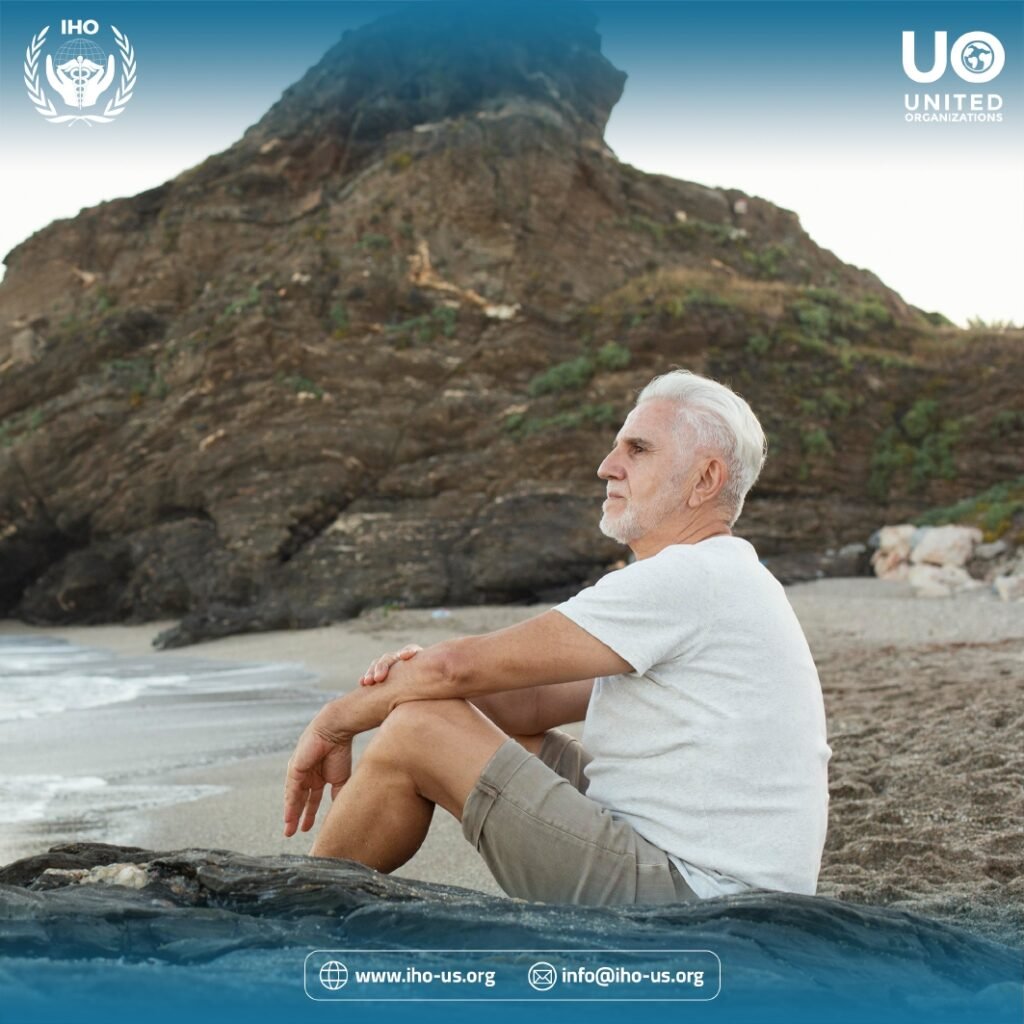
Older adults are individuals aged 60 years or older and represent an important demographic globally. As people age, they experience physical, social, and psychological changes that require special care and support to maintain psychological and emotional quality of life.
Psychological Wellbeing of Older Adults: Concept and Importance
Good mental wellbeing is not merely the absence of mental illness; it is a state of psychological balance that enables individuals to cope with life’s demands, achieve self-fulfillment, and actively participate in society. As they age, older adults may experience challenges such as depression, anxiety, dementia, and loneliness.
Factors Affecting Psychological Health in Older Adults
- Social Isolation and Loneliness:
Isolation is a major risk factor that significantly increases the likelihood of emotional and psychological disorders such as depression and anxiety. - Abuse and Mistreatment:
One in six older adults experiences abuse, often from caregivers, increasing the risk of psychological distress. - Loss of Purpose After Retirement:
After retirement, some individuals may feel a loss of identity, routine, and purpose, contributing to low mood and emotional emptiness. - Reduced Income and Financial Stress:
Studies indicate that financial instability after retirement can increase psychological pressure and negatively affect emotional balance.
Impact of Retirement on Mental and Emotional Wellbeing
Retirement represents a major life transition and can have both positive and negative effects on mental stability:
Negative Effects:
• Feelings of loneliness and social withdrawal.
• Loss of meaning and accomplishment, increasing the risk of depression.
• Higher vulnerability to anxiety and mood disorders among those with limited support.
Potential Positive Effects:
• Relief from work-related pressure when retirement is well planned.
• Opportunities to engage in volunteering, hobbies, and learning, which enhance emotional wellbeing and reduce loneliness.
IHO Strategies to Promote Psychological Wellbeing in Older Adults
The International Health Organization recommends several measures:
✔ Strengthening supportive social environments and community engagement.
✔ Providing financial and social support to reduce stress.
✔ Ensuring access to long-term care and caregiver training.
✔ Reducing age-based discrimination.
Psychological wellbeing is a fundamental aspect of overall quality of life for older adults and is influenced by various social and emotional factors. Although retirement is a significant life stage, it may negatively affect mental and emotional balance if not managed properly. With social support, community involvement, and proper planning, retirement can become an opportunity for improved wellbeing and emotional fulfillment
- منظمة الصحة العالمية 2025. Mental health of older adults — WHO Fact Sheet.
- منظمة الصحة العالمية 2023. الصحة النفسية لكبار السن — WHO.
- PubMed 2025. Mental health around retirement: evidence of Ashenfelter’s dip — دراسة حول التقاعد والاكتئاب.
- Liu & Jiang 2025. The Impact of Social Isolation on Subjective Cognitive Decline in Older Adults — حول تأثير العزلة الاجتماعية.