Is Artificial Intelligence Smarter Than a Radiologist? The Truth Many Don’t Expect
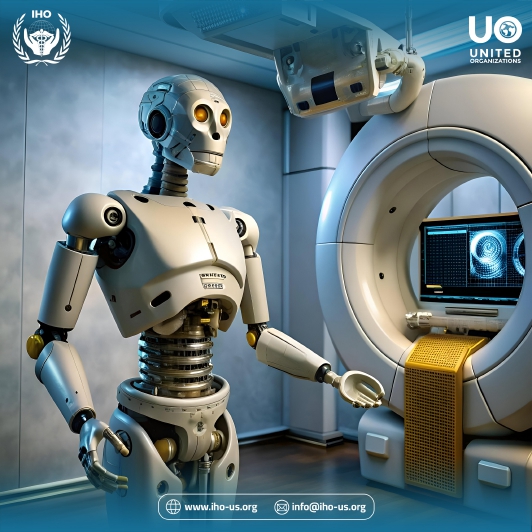
In recent years, the medical sector has undergone a remarkable transformation with the introduction of artificial intelligence technologies into sensitive fields—most notably diagnostic radiology—where advanced algorithms have become capable of analyzing medical images with unprecedented speed and accuracy. This rapid development has revived a fundamental question: Can artificial intelligence outperform the radiologist, and perhaps even replace them in the future?
In reality, AI systems based on deep learning have demonstrated high efficiency in reading X-rays and CT scans. They have been trained on millions of annotated medical images, enabling them to recognize subtle patterns associated with tumors, fractures, and effusions. In some applications, these systems have reached very high levels of accuracy and have helped accelerate the diagnostic process, especially in emergency cases that require rapid response. This, in turn, increases the chances of early medical intervention and improves treatment outcomes.
However, despite its importance, this progress does not necessarily mean that artificial intelligence has become “smarter” than the physician. A radiologist does not interpret an image in isolation from its context; rather, they correlate it with the patient’s medical history and clinical symptoms, relying on accumulated experience as well as the ability to exercise judgment and make decisions in complex or atypical cases. These are elements that still remain beyond the capabilities of intelligent systems, which fundamentally depend on the data on which they were trained.
From this perspective, the scientific consensus today tends to regard artificial intelligence as a supportive tool rather than a replacement. It contributes to assisting physicians by reducing human errors caused by fatigue, speeding up image interpretation, and prioritizing cases according to severity. This allows attention to be directed toward patients most in need of urgent care. In this sense, the relationship between the two is complementary, with each enhancing the performance of the other rather than replacing it.
The impact of artificial intelligence has not been limited to specialists alone; it has also extended to patients themselves. A recent study from the University of Sheffield in the United Kingdom showed that using advanced language models such as ChatGPT to rephrase radiology reports makes them clearer and easier to understand. These findings were published in The Lancet Digital Health, where the study demonstrated that the complexity level of the reports decreased from an advanced academic level to one that younger students could understand—without compromising their clinical accuracy. This enhances patients’ awareness of their health conditions and strengthens communication between them and their physicians.
In the same context, the international health organization is closely monitoring the rapid developments in the use of artificial intelligence in the medical field, particularly in radiology. It is working to evaluate these technologies and ensure that they are used safely and ethically, while also supporting research and raising awareness about their potential and limitations. This helps ensure that the greatest possible benefit is achieved in improving the quality of healthcare worldwide.
In light of these facts, the question of “who is smarter” appears to lose some of its significance in the face of a more realistic truth: the future of medicine is not built on competition between humans and machines, but on integration between them. Artificial intelligence, despite its advanced capabilities, remains a tool that requires human oversight, while physicians become more effective when they employ these technologies in their work.
Accordingly, the equation shaping the next phase is not based on replacing the radiologist, but rather on redefining their role in the age of technology—where the combination of human expertise and computational power becomes the key to delivering healthcare that is more accurate, faster, and more humane.
Ahmed Zenklo