


Are cancer vaccines the future? The difference between preventive and therapeutic vaccines
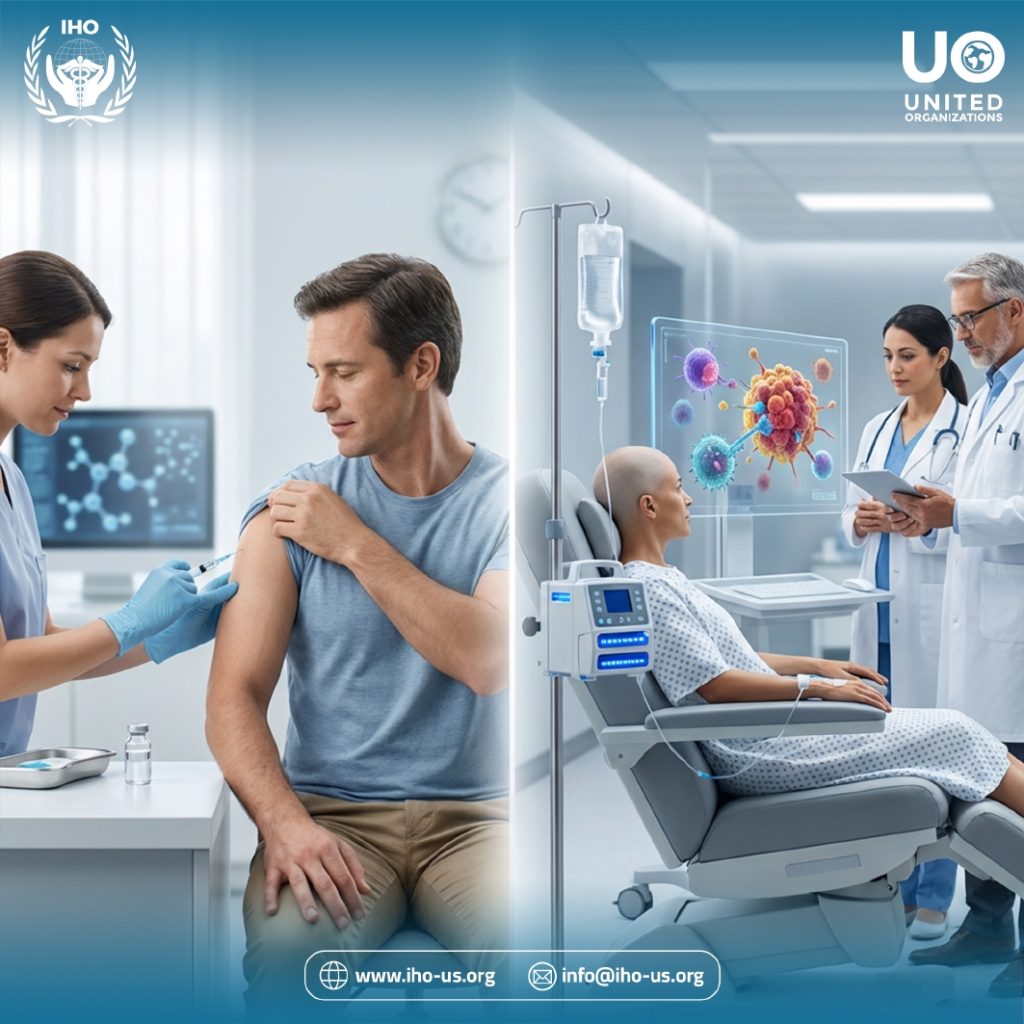
In the world of modern medicine, the conversation about cancer is no longer limited to “How do we treat it?” The more important question has become: “How do we prevent it or tame it from within?” Here, cancer vaccines emerge as one of the most exciting innovations, driven by deep advances in immunology, where the immune system shifts from a silent observer to a precisely trained fighter.
Preventive vaccines
Some cancers originate from viral infections, and this is where preventive vaccines play a role. The HPV vaccine, for example, does not target the tumor itself but prevents the virus that may lead to it. This strategy is considered one of the most successful public health tools, as it reduces incidence rates before the disease even begins, and lessens the long-term burden on healthcare systems.
Therapeutic vaccines
In contrast, research is moving toward vaccines given after diagnosis. These vaccines rely on training the immune system to recognize cancer cells as a “hostile target.” With the advancement of personalized medicine, it has become possible to design a custom vaccine for each patient based on the genetic makeup of their tumor, giving treatment a level of precision unprecedented in medical history.
The role of the International Health Organization
In this scientific race, the International Health Organization closely monitors developments and works to support preventive vaccination programs globally, especially in countries with limited healthcare access. It also contributes to establishing regulatory and ethical frameworks that ensure the safety of new treatments, while emphasizing the need to balance innovation with accessibility.
Despite optimism, challenges remain. Cancer can adapt and evade the immune system, making some vaccines less effective in certain cases. In addition, high costs and technical complexity remain barriers to widespread adoption. However, rapid progress—especially in mRNA technologies—suggests that these obstacles may gradually diminish.
Cancer vaccines are not a complete replacement for current treatments, but they add a new dimension to the fight. They represent an attempt to rewrite the rules of the game: instead of attacking cancer only from the outside, the body itself is equipped to lead the battle. Between what has been achieved and what is still in development, medicine appears to be on the threshold of a phase that could fundamentally change our understanding of the disease.

Pharmacist currently serving as a Team Leader in the Medical Marketing team at Medico Pharmaceuticals Laboratories, With a strong academic foundation and hands-on experience in medical marketing, I excel in coordinating structured workflows, managing official documents, and training teams to operate under a unified system that supports consistency, compliance, and high performance.