


Burnout… When Work Turns Into Silent Depletion
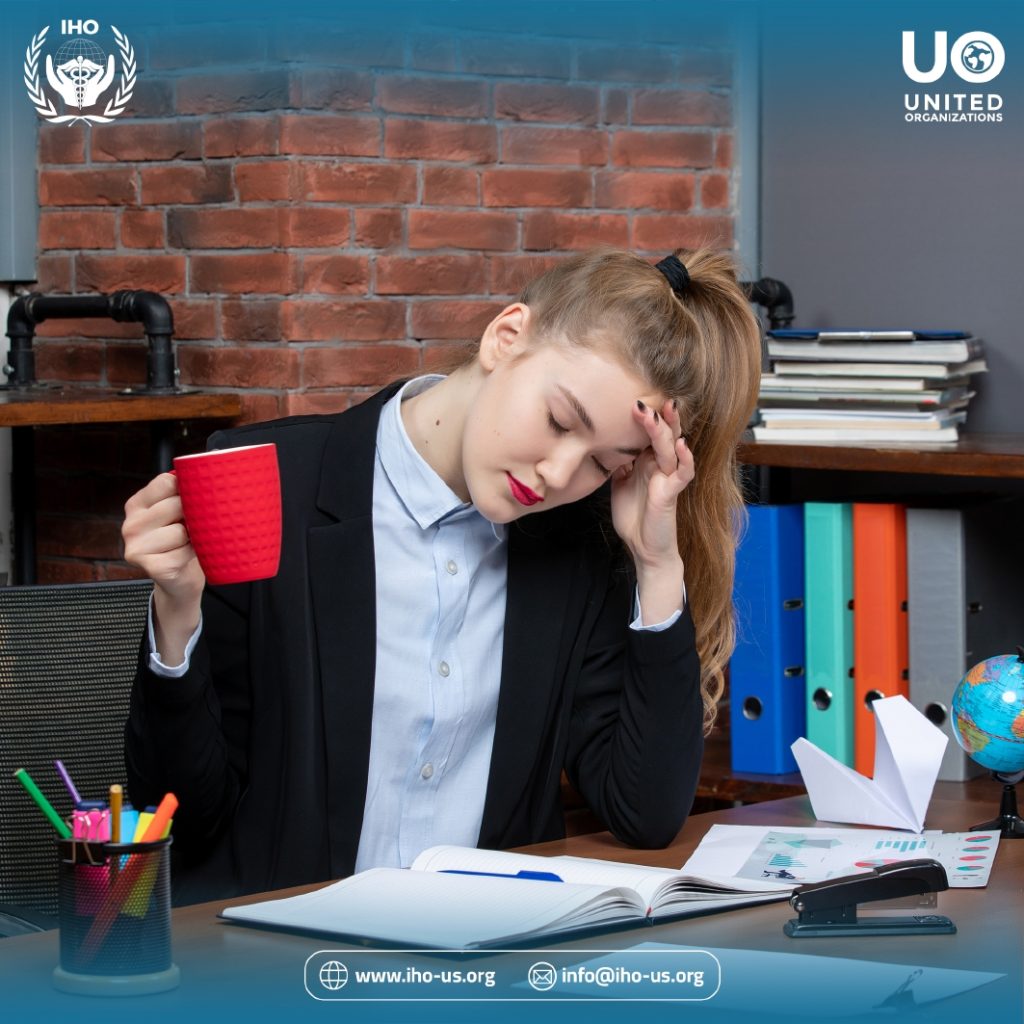
Amid the accelerating pace of professional life and the growing demands across various sectors, what is known as burnout has emerged as one of the most prominent psychological phenomena associated with the modern work environment. It is no longer just a passing feeling of fatigue, but rather an accumulated state of chronic stress that significantly affects individuals’ mental and physical health, as well as their professional performance. This has prompted international institutions and experts to warn of its increasing prevalence in recent years.
Burnout is defined as a state of emotional, physical, and mental exhaustion resulting from continuous exposure to work-related pressures without adequate support or sufficient recovery periods. It manifests as a loss of motivation, declining productivity, a sense of detachment from the work environment, and feelings of numbness or aversion toward daily tasks. This makes it distinct from ordinary fatigue, which typically subsides with rest.
The Role of the International Health Organization
The World International Organization emphasizes the importance of addressing burnout as one of the most serious consequences of modern work stress. It has supported research linking burnout to psychological and physical strain and has encouraged understanding it as an occupational condition arising from exhausting work environments. The organization also advocates for improving workplace policies by promoting employees’ mental well-being, reducing ongoing stress, and creating more balanced and humane work environments that protect individuals from prolonged depletion.
On the other hand, specialists believe that the evolution of modern work patterns—especially with the rise of remote work and the blurring of boundaries between personal and professional life—has contributed to the worsening of this phenomenon. Many employees now find themselves in a continuous cycle of work without clear limits for rest, leading to an erosion of psychological balance and increased stress levels.
Rising Health Warnings
Psychology experts warn that ignoring the symptoms of burnout can lead to more serious consequences, such as depression, anxiety disorders, sleep problems, and weakened immunity, in addition to a decline in overall institutional performance. They stress that early intervention, restructuring the work environment, and providing psychological support are essential steps to mitigate this phenomenon.
As discussion around this issue continues to expand, burnout appears to be no longer merely an individual challenge, but rather an institutional and societal issue that requires a comprehensive rethinking of the concept of work itself—and how to achieve a balance between productivity and mental well-being.

Pharmacist currently serving as a Team Leader in the Medical Marketing team at Medico Pharmaceuticals Laboratories, With a strong academic foundation and hands-on experience in medical marketing, I excel in coordinating structured workflows, managing official documents, and training teams to operate under a unified system that supports consistency, compliance, and high performance.