
“Feeding the Feed” highlights ways to make medical knowledge more accessible and impactful
By Mona Khalil
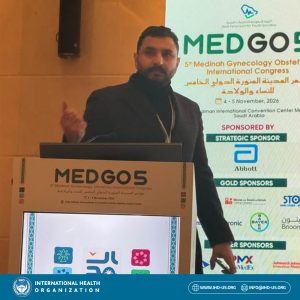
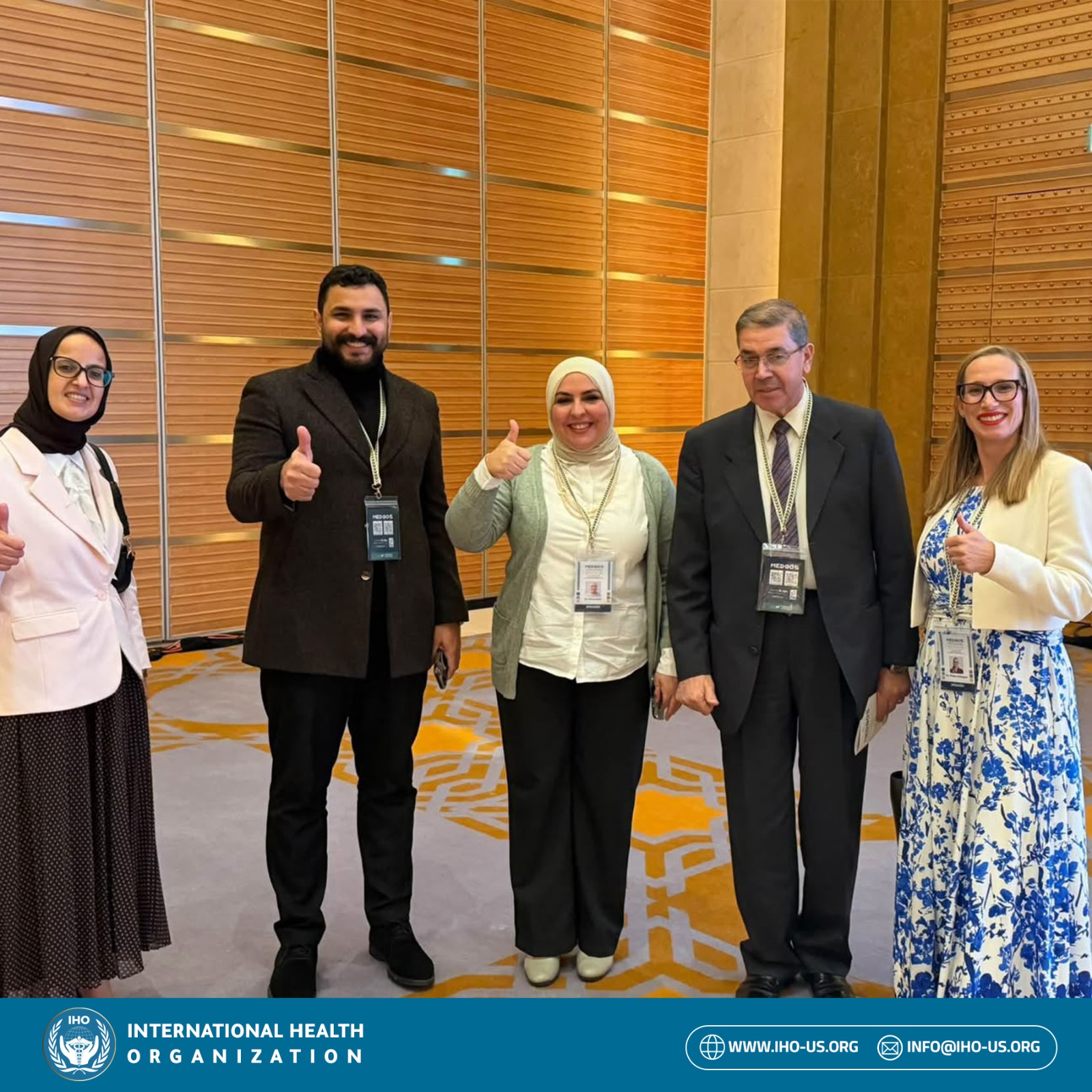
A scientific lecture held during MEDGO 2026 in Medina, Saudi Arabia, explored the importance of presenting medical information on social media through approaches that combine scientific accuracy, clarity, and human-centred storytelling, helping audiences understand, remember, and benefit from health messages.
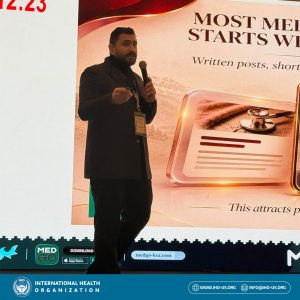
Titled “Feeding the Feed in Social Media,” the lecture focused on how medical content can move beyond simply conveying information to providing knowledge that connects with people’s lives and questions, amid an increasing flow of content and competing messages seeking users’ attention.
The discussion explored the role of storytelling in simplifying medical concepts, using human experiences and patient journeys to explain information and place it in a relatable context while preserving its scientific substance and credibility.
It also addressed the importance of combining educational content with human-centred narratives. Information provides foundational knowledge, while stories offer a context that helps audiences understand it and connect it to everyday life, making health messages more relevant to their needs.
The lecture was delivered by Dr Ahmed El-Sherif as part of the scientific session of the International Association of Aesthetic and Urogynecology (IAAUG), addressing approaches to improving digital medical communication and strengthening the impact of health messages.
How Can We Evaluate Health Information Before Sharing It?
From a health awareness perspective, engaging thoughtfully with digital content begins with checking the source of the information, the identity of its author or reviewer, its publication or update date, and the scientific references supporting it. It is also important to read the full content rather than relying on an attention-grabbing headline or an isolated clip before sharing it.
Personal stories also require careful consideration. While they may help people understand the experience of illness and how to cope with it, they do not, on their own, constitute scientific evidence that a treatment is effective or suitable for everyone. What works for one person may not work for another because of differences in health status, medical history, and the treatments being used.
Similarly, information published online remains a resource for education and raising questions; it does not replace an individual medical assessment. Any information that could influence a treatment decision should therefore be discussed with a qualified healthcare professional. Medicines should not be started, stopped, or taken at a different dose based on a social media post or a widely shared personal experience.
In this context, the educational role of the International Health Organization (IHO) is particularly relevant in communicating reliable medical knowledge in clear, accessible language and raising awareness of how to evaluate health content and engage with it responsibly.
The value of health information ultimately depends on its accuracy, clarity, and usefulness to its audience. Every piece of content that reaches the public carries a responsibility to support understanding and guide people towards reliable sources and appropriate care when needed.