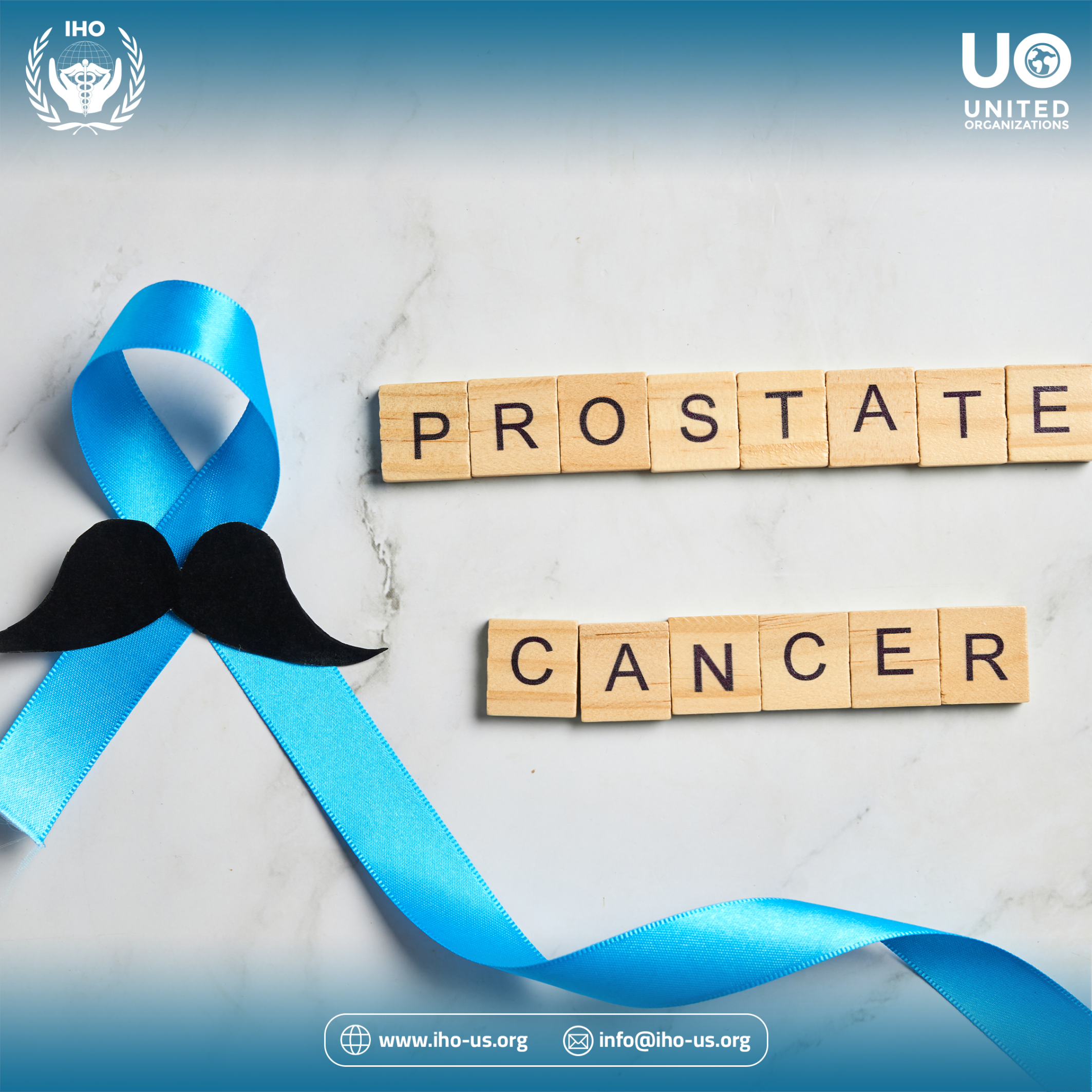

Prostate cancer is one of the most common types of cancer among men worldwide. Medical experts warn of its silent nature, as it can develop without clear symptoms in its early stages, delaying diagnosis and making treatment more complex.
Specialists explain that the disease begins in the prostate gland, a small gland located below the bladder that plays a vital role in the male reproductive system. Cancerous cells grow abnormally within the gland and may spread to other parts of the body if not detected early.
Although symptoms are often absent at first, advanced stages of the disease may be associated with difficulty urinating, a weak urine stream, and an increased need to urinate at night. Other possible signs include blood in the urine or semen, as well as pain in the pelvis and lower back.
The likelihood of developing prostate cancer increases with age, particularly after the age of 50. Other risk factors include a family history of the disease and an unhealthy lifestyle, including physical inactivity and poor nutrition.
In this context, many health organizations, including the International Health Organization (IHO), recommend raising awareness about risk factors and the importance of consulting a doctor regarding appropriate screening tests for the early detection of prostate cancer.
The organization also calls for greater health awareness among men and encourages them to adopt a healthy lifestyle that includes a balanced diet, regular exercise, maintaining a healthy weight, and avoiding smoking.
Doctors point out that treatment options vary depending on the stage of the disease and may include active surveillance, surgery, radiation therapy, and hormone therapy. They emphasize that early diagnosis remains the key factor in successful treatment.