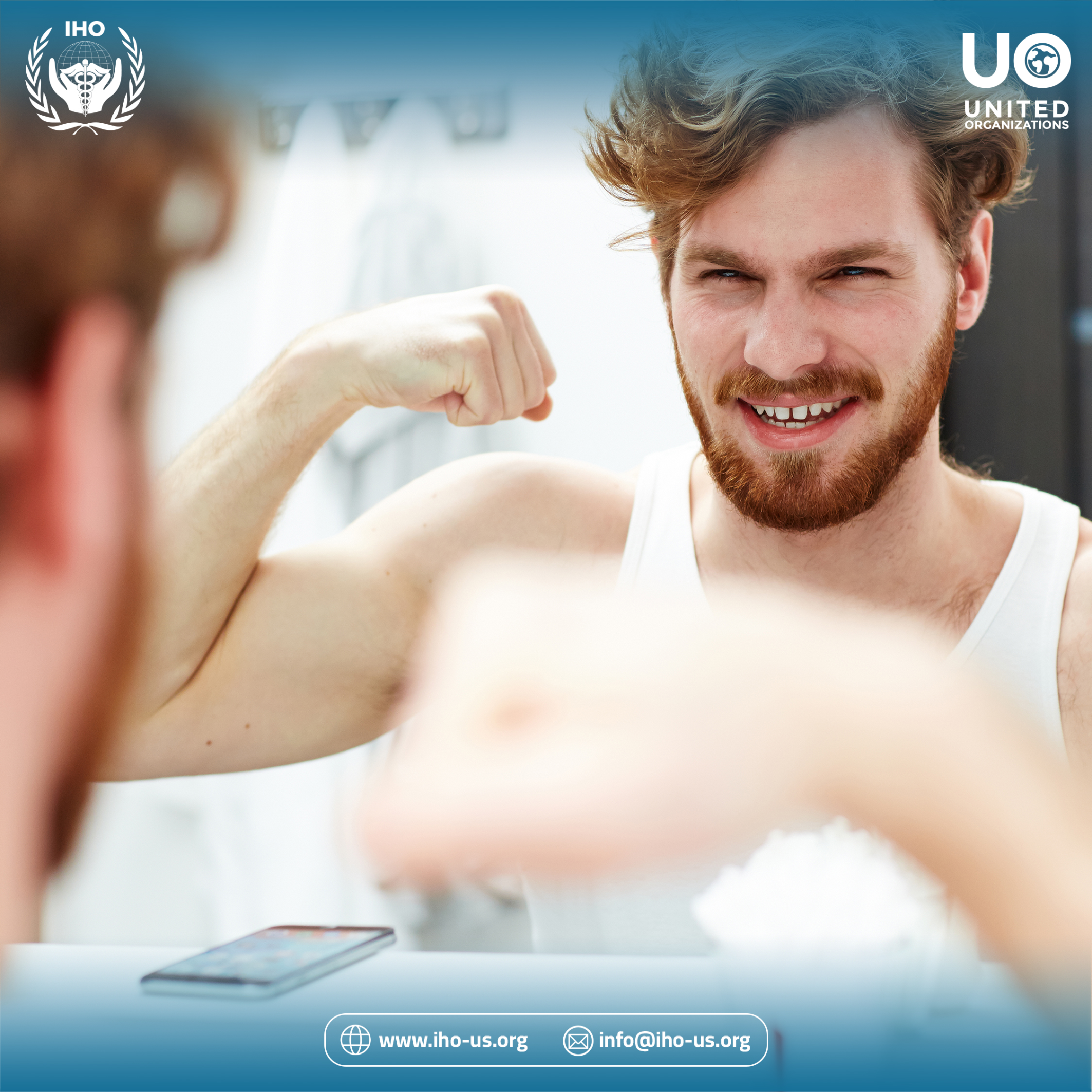

Androgens, particularly testosterone, are among the fundamental pillars of hormonal regulation in young people. They play a crucial role in the development of sexual characteristics, the building of muscle mass, and the maintenance of the body’s psychological and functional balance. However, any disruption in the levels of these hormones—whether an increase or a decrease—can lead to a series of interconnected health effects.
Under normal conditions, androgen secretion is regulated through a precise axis linking the brain (the pituitary gland) and the gonads. This balance may be disrupted by various factors, including lifestyle habits, chronic diseases, or hormonal disorders.
Hyperandrogenism: Effects Beyond Physical Appearance
When androgen levels rise, the effects may become clearly visible on the skin and hair, such as increased oil production and the development of acne. However, the impact is not limited to cosmetic concerns; it may also extend to behavioral and mood changes, including increased tension or impulsivity.
In males, abnormally high androgen levels may be associated with the use of anabolic steroids or hormonal disorders. In females, hyperandrogenism is one of the hallmark features of conditions such as polycystic ovary syndrome (PCOS). Some studies also suggest a link between excess androgens and an increased risk of metabolic disorders, including insulin resistance.
Androgen Deficiency: Decline in Physical and Psychological Performance
Conversely, low androgen levels can lead to a noticeable decline in energy levels and physical capacity. Reduced sexual desire, loss of muscle mass, and increased body fat are among the most common indicators. The psychological impact should not be overlooked either, as androgen deficiency has been associated with depression and impaired concentration.
Although low testosterone is often linked to aging, its occurrence among young people is not uncommon, especially in the context of modern lifestyles characterized by physical inactivity, poor sleep patterns, and chronic psychological stress.
The Role of the International Health Organization
The International Health Organization emphasizes the importance of hormonal health as an integral part of overall public health. In its reports, it highlights the need to raise awareness about endocrine disorders, particularly among young people. The organization also advocates for healthy lifestyle practices to help prevent hormonal imbalances, including regular physical activity, balanced nutrition, and stress reduction.
Furthermore, the organization recommends improving access to early diagnostic services and training healthcare professionals to recognize the symptoms of androgen disorders, given their long-term impact on both physical and mental health, as well as their association with chronic conditions such as diabetes and cardiovascular disease.
Diagnosis and Management
The diagnosis of androgen disorders relies on accurate laboratory testing in addition to a comprehensive clinical evaluation. Treatment is not limited to medication; lifestyle modification is considered a fundamental step, including improving sleep quality, engaging in regular exercise, and maintaining proper nutrition.
In some cases, hormone replacement therapy or hormone-regulating medications may be prescribed, based on a careful medical assessment that takes into account the patient’s age and overall health status.
Maintaining androgen balance is a key factor in the health of young people, not only physically but also psychologically and behaviorally. As modern factors increasingly affect this balance, the importance of early awareness and regular screening becomes more evident in preventing complications that may develop silently, such as metabolic disorders, reduced fertility, and mental health problems. These conditions can directly affect quality of life and daily performance over the long term.